A print in soft ground
A wolf print can look very like a large dog’s: four toes, claw marks and a central pad are shared clues. Measure and sketch a sequence rather than naming the animal from one impression.
Field notes from wolf country
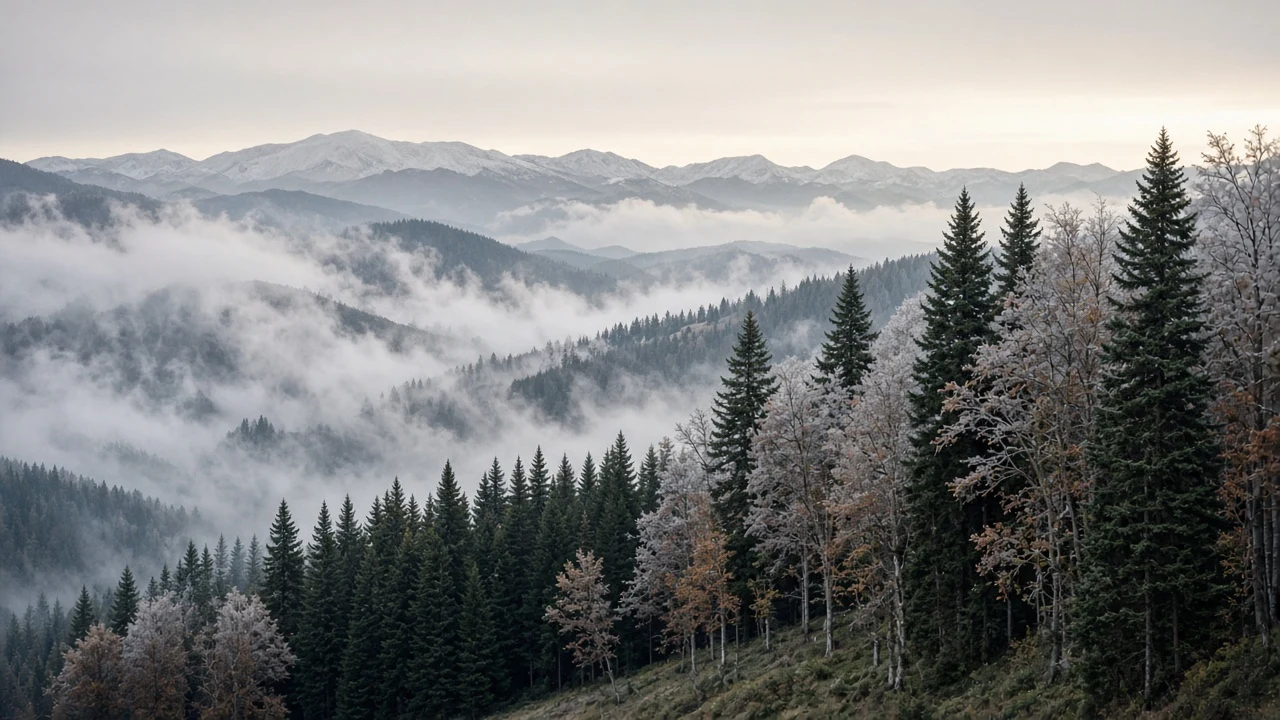
Follow the ground, the weather and the small signs left behind.
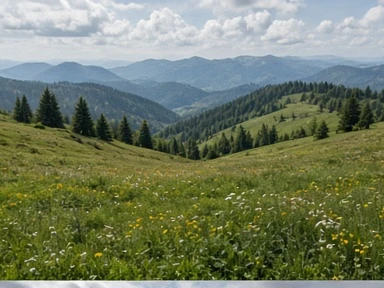
A quieter way of reading the uplands of Central and Eastern Europe.
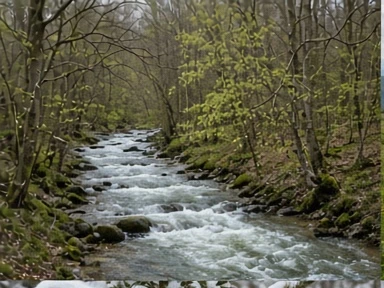
Water, soft banks and the meeting of paths.
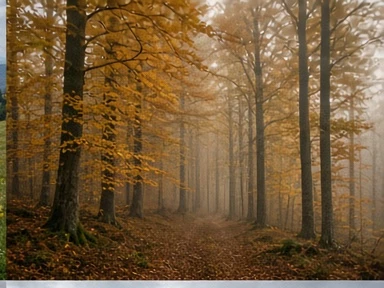
Leaf litter holds the shape of a passing season.
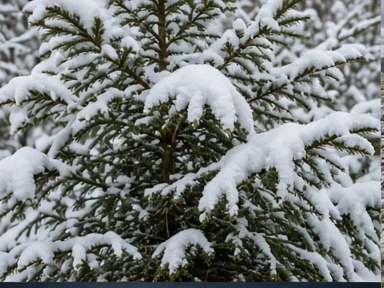
Dark cover, forest tracks and long winter shade.
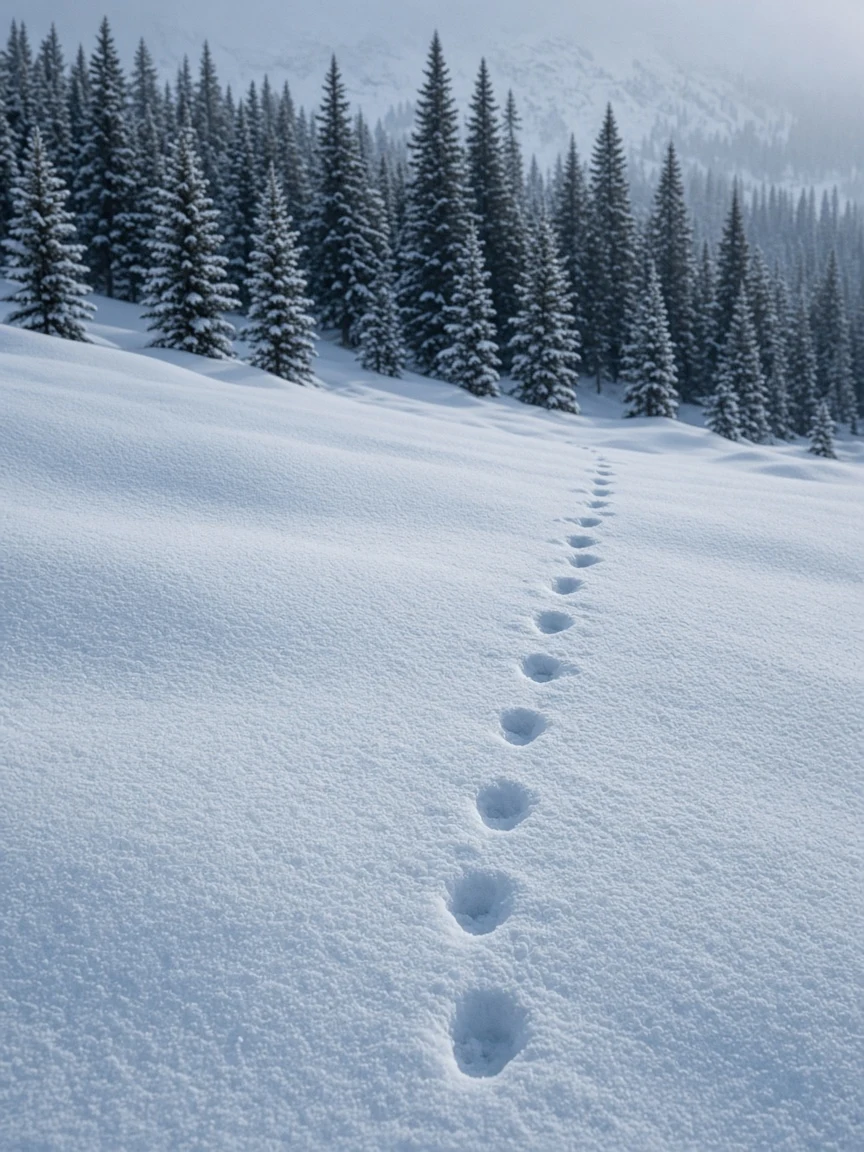
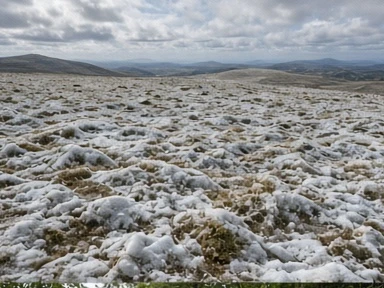
Wind writes quickly; snow keeps a shorter memory.
02 / Between the trees
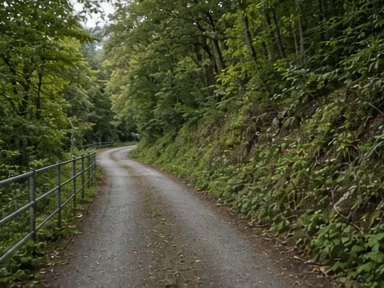
A forest road cuts a pale line through the beech woods. A saddle offers the gentlest passage between two valleys. These are useful ways through a mountain for more than one kind of traveller.
Wolves may use roads and tracks to cover ground efficiently, especially where snow makes every step costly. A footprint at a crossing is only the beginning of a question: what was the surface, which way did the line travel, and what else could have left it?
“The most interesting thing in the forest is often what has just passed through it.”
From the rounded ridges of Šumava to the broken ground of the Dinaric ranges, terrain gives a sign its context. Look at the whole line. Leave the animal its distance.
Read the journal’s beginning ↗03 / A moving calendar
The same track can disappear in rain, sharpen in frost or blur beneath falling leaves. The season changes the evidence.
04 / Pages from a field notebook
Clues, not conclusions. A single print or sound rarely settles the question of who passed this way.
A wolf print can look very like a large dog’s: four toes, claw marks and a central pad are shared clues. Measure and sketch a sequence rather than naming the animal from one impression.
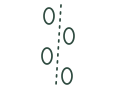
A steady trot may leave a narrow, economical line, with hind feet landing near the foreprints. Dogs can do this too, so follow the pattern with your eyes, never in pursuit.
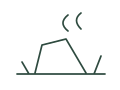
A raised stone or a junction may serve as a scent-marking point. Notice the setting without touching, collecting or adding a mark of your own.

Scat can contain hair and bone, but size and contents alone do not establish its source. Leave it undisturbed and keep hands, pets and food well away.

Scattered remains may reflect predation, scavenging or an entirely different event. Give the area a wide berth and do not linger beside a carcass.

A howl can carry far and become difficult to place among slopes and trees. Listen without answering, playing recordings or moving towards the sound.
The clearing owes us nothing.
Being here is enough.
05 / A shared landscape
Pastures, forest roads and villages belong in the same picture as the distant ridge. Coexistence is lived close to the ground.
 01
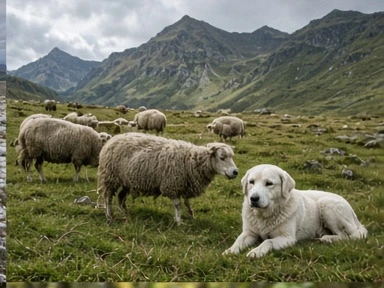
Guardian dogs stay with their flock. Give them space, keep your own dog on a short lead and take a calm detour rather than walking between sheep and their protector.
 02
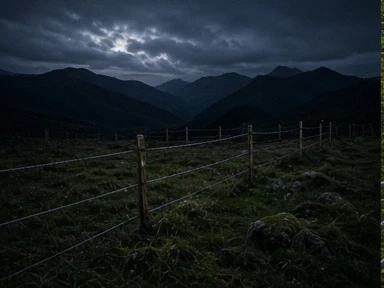
Night pens and well-maintained electric fencing are among the tools used to protect livestock. Leave gates as found, stay clear of wires and respect the work behind a quiet pasture.
 03
Roads can divide habitat even when the forest looks continuous. Wildlife crossings help reconnect it; keep such passages clear and never use them as a place to wait for animals.
06 / A sketch, not a destination
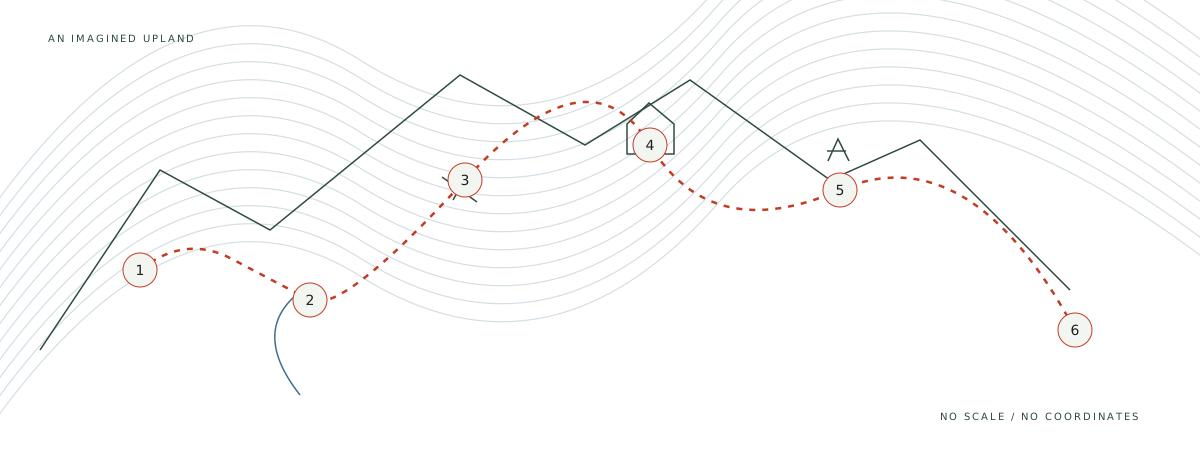
An imagined walk through six familiar features. This drawing has no coordinates, scale or navigational use: it is a way of noticing terrain.
07 / Leave a little silence
Distance is a minimum habit, not a guarantee. If an animal notices or changes its behaviour, withdraw; closures and local requirements take priority.
Pack for a quieter day ↗08 / Across the map, a familiar word
Vlkslotzi takes its first steps from vlk, the Czech and Slovak word for wolf. The stories change with the valley; the animal crosses the line on the map.
At the trailhead
A careful observation can change how a whole page reads.
Keep sensitive wildlife locations out of your message.