Vlkslotzi / Field notes
Field Kit
Carry what helps you stay comfortable, find your way and leave the scene unchanged.
A field kit is a set of habits before it is a collection of things. Choose it for the day’s conditions and your own competence, without relying on a distant animal to make the outing worthwhile.
A notebook
Record the surface, weather, approximate size and direction of a sign before deciding what it means. A simple sketch of several prints is more useful than a confident label on a single blurred photograph.
Keep precise locations in a private record. Generalise them before sharing anything publicly.
Optics
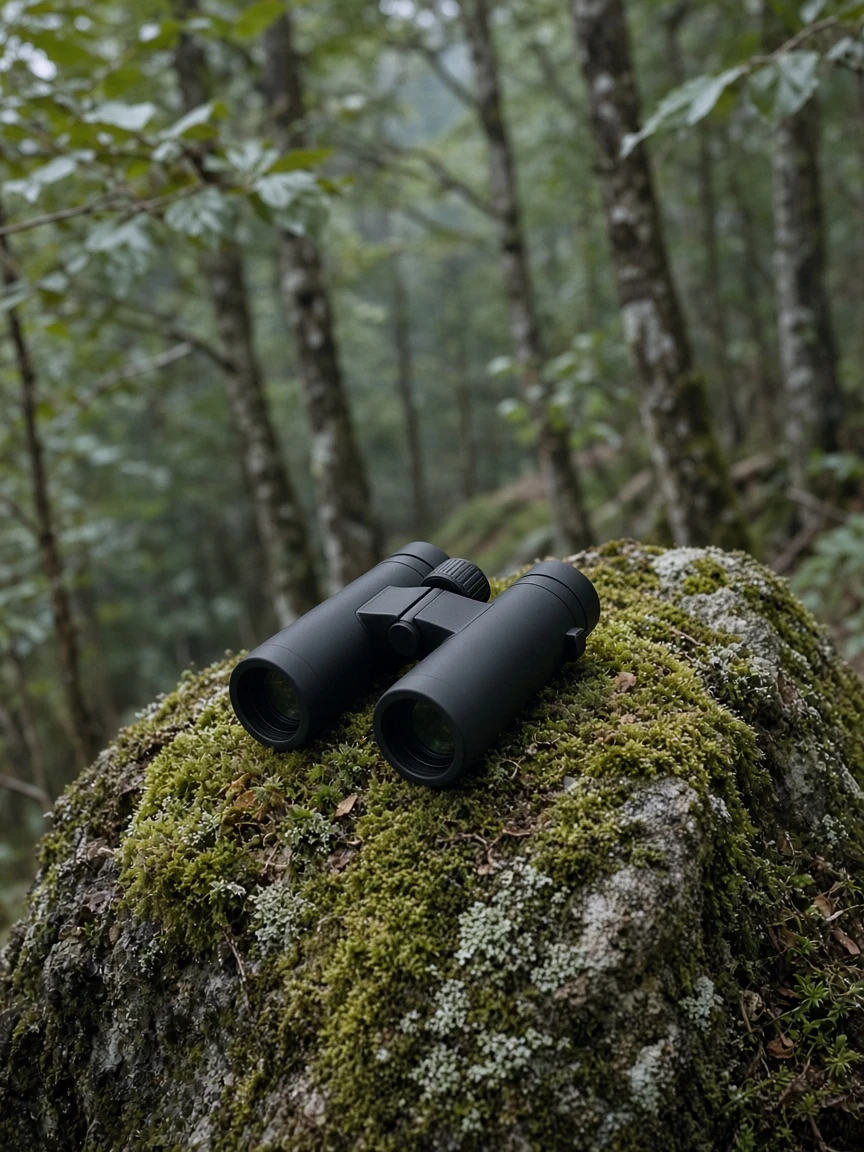
Binoculars let a distant view remain distant. Practise using them on familiar features first, and stop in a place where you are not blocking a path or exposing yourself at an edge.
If an animal changes behaviour because of you, looking through glass does not make the disturbance disappear. Withdraw.
Layers
Stillness can make a mild day feel cold. Account for wind, rain, damp ground and the extra warmth needed when you stop, rather than dressing only for the climb.
Carry spare dry protection appropriate to the forecast and have a straightforward plan to turn back.
Light
A small headlamp and an independent reserve matter when cloud, delay or a short winter day changes the return. Check them before leaving, not when the path becomes difficult to see.
Use only the light needed to move safely. Avoid sweeping beams into cover or searching for eyes in the dark.
Map and compass
Carry a current map for the actual place and know how to use it with a compass. A downloaded map can support that preparation; a phone battery should not be the whole plan.
The ridge sketch on the homepage explains features only. It cannot tell you where to walk.
A little room
Water, food, basic first aid and reliable communication belong beside the more interesting tools. Choose the amount and the route for the least experienced person in the group.
Before setting out, check weather, access notices and the relevant park or land manager’s current rules.
The watching code
- Keep a generous distance: 300 metres or more is a starting habit, not a universal safe threshold.
- Never approach dens, rendezvous sites, a feeding animal or a carcass.
- Keep dogs on lead, and follow any stronger local restriction.
- Do not bait, play calls, answer howls or try to change an animal’s direction.
- Do not publish exact locations or geotag sensitive photographs.
- If the animal notices you, becomes alert or changes course, increase the distance and leave calmly.
- Leave gates as found and give livestock and guardian dogs ample room.
The best item in the kit is the willingness to go home without a sighting.